The Essential Guide to Simple Ingredients for Effective Skin Care
- Tasia Ledet
- Apr 21
- 3 min read
Healthy skin starts with the right ingredients. Many skin care products promise glowing, youthful skin, but often they contain long lists of complex chemicals that can confuse or irritate. Choosing products with simple, effective ingredients helps you understand what you’re putting on your skin and supports better results. This guide explains key simple ingredients that work well and how to use them in your daily routine.

Why Simple Ingredients Matter
Skin care can feel overwhelming with so many products and ingredients available. Complex formulas might include unnecessary additives, fragrances, or preservatives that irritate sensitive skin. Simple ingredients reduce the risk of reactions and make it easier to identify what benefits your skin.
Products with straightforward ingredients lists often focus on proven, gentle components. These ingredients can hydrate, protect, and repair skin without causing harm. For example, a moisturizer with just water, glycerin, and a natural oil can be more effective and safer than one with dozens of chemicals.
Key Simple Ingredients to Look For
Here are some of the most effective simple ingredients commonly found in skin care products:
1. Hyaluronic Acid
Hyaluronic acid is a natural substance in the skin that holds moisture. It attracts water and keeps skin plump and hydrated. Products with hyaluronic acid help reduce dryness and fine lines by locking in moisture.
Works well for all skin types, especially dry or aging skin
Lightweight and non-greasy
Can be found in serums, creams, and masks
2. Glycerin
Glycerin is a humectant that pulls water from the air into the skin. It softens and smooths the skin surface, improving texture and hydration.
Gentle and safe for sensitive skin
Often combined with other moisturizing ingredients
Common in lotions, cleansers, and toners
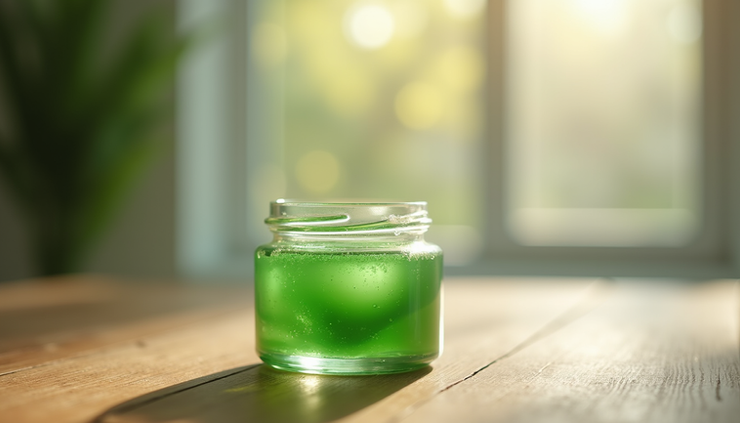
3. Aloe Vera
Aloe vera is a plant extract known for soothing irritated or inflamed skin. It has anti-inflammatory and healing properties, making it ideal for sunburns, redness, or dry patches.
Provides a cooling effect
Supports skin repair and reduces redness
Used in gels, creams, and after-sun products
4. Shea Butter
Shea butter is a rich, natural fat extracted from the nuts of the shea tree. It deeply moisturizes and nourishes dry skin, creating a protective barrier.
Contains vitamins A and E for skin health
Ideal for dry or rough skin areas like elbows and heels
Found in creams, balms, and body butters
5. Vitamin C
Vitamin C is a powerful antioxidant that brightens skin and protects against environmental damage. It helps even out skin tone and supports collagen production.
Use in serums or lightweight creams
Best applied in the morning for sun protection benefits
Choose stable forms like ascorbic acid or sodium ascorbyl phosphate
How to Build a Simple Skin Care Routine
Using products with simple ingredients is only part of the equation. A consistent routine tailored to your skin type maximizes benefits.
Cleanse Gently
Start with a mild cleanser containing glycerin or aloe vera. Avoid harsh soaps that strip natural oils. Cleanse twice daily to remove dirt and impurities without drying out your skin.
Hydrate and Protect
Apply a hyaluronic acid serum or moisturizer to lock in moisture. Follow with a broad-spectrum sunscreen during the day to protect skin from UV damage.
Target Concerns
Add products with vitamin C to brighten dull skin or shea butter to soothe dry patches. Keep your routine minimal to avoid overwhelming your skin.
Patch Test New Products
Test new ingredients on a small skin area before full use. This helps prevent allergic reactions or irritation.
Tips for Choosing Skin Care Products
Read ingredient lists carefully. Look for recognizable, natural components.
Avoid products with artificial fragrances, parabens, and sulfates.
Choose products suited to your skin type: oily, dry, combination, or sensitive.
Consider products with certifications like organic or cruelty-free if that matters to you.
Remember that more expensive does not always mean better.
Final Thoughts on Simple Ingredients
pop and bare guarantees pure and straightforward ingredients
Comments